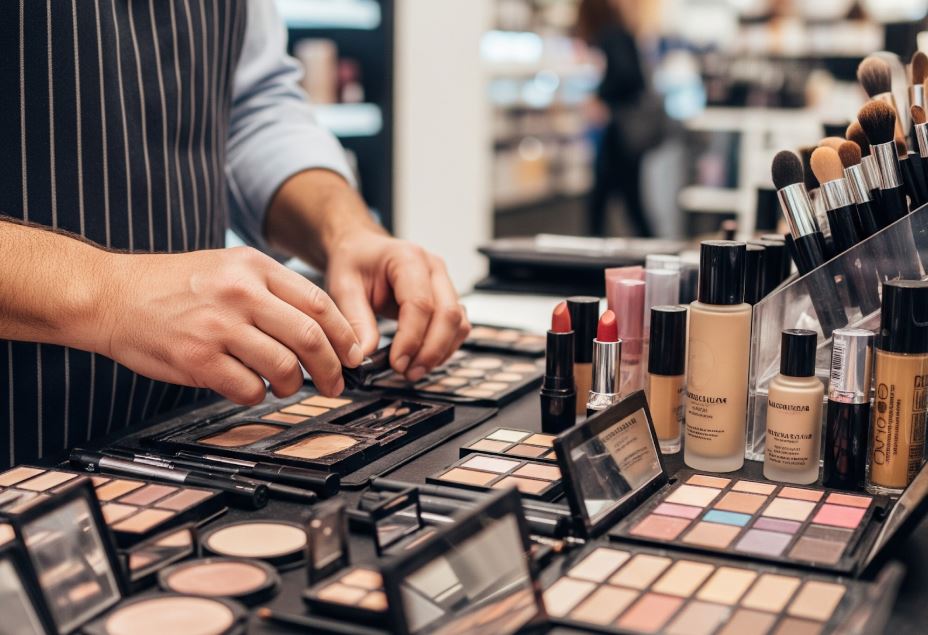
Legal experts at Dentons Rodyk warn that foreign businesses entering Singapore’s booming cosmetics market, which is valued at $1.24 billion in 2024, must comply with strict regulations set by the Health Sciences Authority (HSA).
Any company that manufactures, imports or sells cosmetics in Singapore must follow the ASEAN Cosmetic Directive (ACD), which is overseen locally by the HSA. The Health Products Act 2007 broadly defines cosmetics to include products used on the skin, hair, nails or lips for appearance or hygiene purposes. Items claiming medical or therapeutic effects are classified separately and are subject to stricter regulations.
Before selling any product, a “responsible person”, which can be a manufacturer, importer, distributor or retailer, must submit a product notification to the HSA. This involves providing product details, documentation and paying a fee. Higher-risk items, such as eye and lip products or hair dyes containing phenylenediamines, incur higher charges. Notifications are valid for one year and must be renewed annually.
Companies are also legally liable for ensuring product safety and accurate representation. The use of banned or restricted ingredients like mercury or hydroquinone is strictly prohibited under the Health Products Regulations 2007.
Labels must be in English and include key details, including product name, function, ingredients, warnings and expiry dates, especially for items with a shelf life under 30 months.
Marketing must not mislead consumers or suggest unapproved therapeutic benefits.
Non-compliance can result in fines, mandatory product recalls and reputational harm. Businesses are advised to stay informed of HSA updates and seek legal guidance when entering the market.